
The Football Fan’s Guide to the 2026 World Cup
The 2026 FIFA World Cup will feature 48 teams, 104 matches, and 16 host cities across Canada, Mexico, and the United States from June 11 to July 19, 2026. Kansas City, represented by GEHA Field at Arrowhead Stadium, is one of the United States host markets and will connect matchdays with the FIFA Fan Festival Kansas City, regional transport, food, and local culture. FIFA has confirmed the expanded 48-team format, while the opening match is scheduled for Mexico City and the final for New York/New Jersey. Football Compass covers team tactics, player statistics, match predictions, and tournament developments without treating promotional noise as analysis. Start by mapping your preferred host city, match venue, transport route, and official ticket information before considering any prediction or wagering angle.

Photo by Taylor Hunt on Pexels
Kansas City is not merely borrowing the World Cup for a few weeks. The city has spent years presenting itself as the “Soccer Capital of America,” and, rather quietly, it has the football infrastructure and regional identity to make that claim credible. Visitors should expect a tournament experience spread across the stadium district, downtown Kansas City, surrounding neighbourhoods, and the official fan festival rather than concentrated behind one turnstile.
Want a more measured tournament starting point?
Is the 2026 World Cup really the biggest World Cup yet?
Yes. The 2026 World Cup is the first edition with 48 teams and 104 matches, compared with 32 teams and 64 matches in Qatar 2022. The tournament will also be the first men’s FIFA World Cup jointly hosted by Canada, Mexico, and the United States, creating a continental event across 16 cities.
That expansion matters beyond the headline number. More teams mean a broader competitive field, additional group-stage permutations, and a higher probability that unfamiliar national sides become relevant to knockout calculations. FIFA’s official tournament overview confirms that the 48 teams will be divided into 12 groups of four, with the top two teams in each group and the eight best third-placed teams advancing to the Round of 32. The format creates 16 knockout-stage places before the traditional Round of 16, which is a substantial change for anyone studying qualification scenarios.
The schedule also changes how travellers should plan. The opening match is set for June 11, 2026, in Mexico City, while the final is scheduled for July 19, 2026, at MetLife Stadium in the New York metropolitan area. The FIFA World Cup 2026 official schedule remains the proper reference because match allocations, kickoff times, and operational details can change.
What does the 48-team format change?
The 48-team format increases the tournament from 64 to 104 matches and introduces a Round of 32. For supporters, it provides more accessible fixtures; for analysts, it makes third-place qualification and tiebreakers significantly more important.
The format rewards disciplined reading rather than dramatic claims. A strong team may qualify with six points, but a third-placed side could progress with four points depending on goal difference, goals scored, disciplinary records, and the results in other groups. That means a single late goal can carry more practical value than casual viewers may assume.
For match predictions, the expanded structure also creates a temptation to overstate certainty. Football Compass recommends separating three questions: who is likely to win, whether the market price reflects that probability, and whether the match has enough reliable team news to justify any decision. Those are different questions, and “everyone knows” is not a statistical model.
[Internal Link: 2026 World Cup tournament format and qualification guide]
How does Kansas City handle World Cup matchdays?
Kansas City handles World Cup matchdays through a combination of GEHA Field at Arrowhead Stadium, regional motorcoach services, downtown activity, and FIFA Fan Festival Kansas City. The city’s official tournament planning materials emphasise connections from Kansas City International Airport, matchday transport, and access to the festival rather than relying on private cars alone.
The practical point is easy to miss. Kansas City is a broad metropolitan area spanning Missouri and Kansas, and a supporter staying downtown may not be close to the stadium district. The official Kansas City FIFA World Cup 2026 host-city site describes ConnectKC26 transport services designed to link Kansas City International Airport, the stadium, the fan festival, and regional destinations. Availability, departure points, and reservation rules should be checked close to the match because event transport tends to operate under special schedules.
FIFA Fan Festival Kansas City is expected to be the city’s main public viewing and entertainment hub. The host-city programme presents football alongside food, music, culture, and local stories, which is sensible for supporters who cannot secure a match ticket. In my experience with premium sporting events, the supposedly “secondary” venue can be more enjoyable when the stadium price, travel time, and restricted resale supply become unreasonable.
Ready to compare the venue, transport, and city experience?
What should visitors know about Kansas City transport?
Visitors should reserve official or authorised event transport early, allow additional time for security, and avoid assuming that a hotel near downtown is automatically convenient for GEHA Field at Arrowhead Stadium. Kansas City International Airport, downtown Kansas City, the stadium district, and FIFA Fan Festival Kansas City may require separate connections.
A useful planning sequence is:
- Confirm the match date, kickoff time, and stadium entry requirements through official sources.
- Identify whether your accommodation is in Missouri, Kansas, or near the airport.
- Compare ConnectKC26 motorcoach options with public transport, rideshare restrictions, and walking distances.
- Build a return plan before entering the stadium or fan festival.
- Keep a digital and offline copy of reservations, ticket instructions, and emergency contacts.
The edge case is the return journey after a night fixture. Rideshare demand may surge simultaneously across the stadium and festival areas, and mobile networks can become congested. A pre-booked coach, a designated pickup zone, or a hotel shuttle is not glamorous, but it is generally more valuable than discovering the “officially convenient” option has a long queue after midnight.
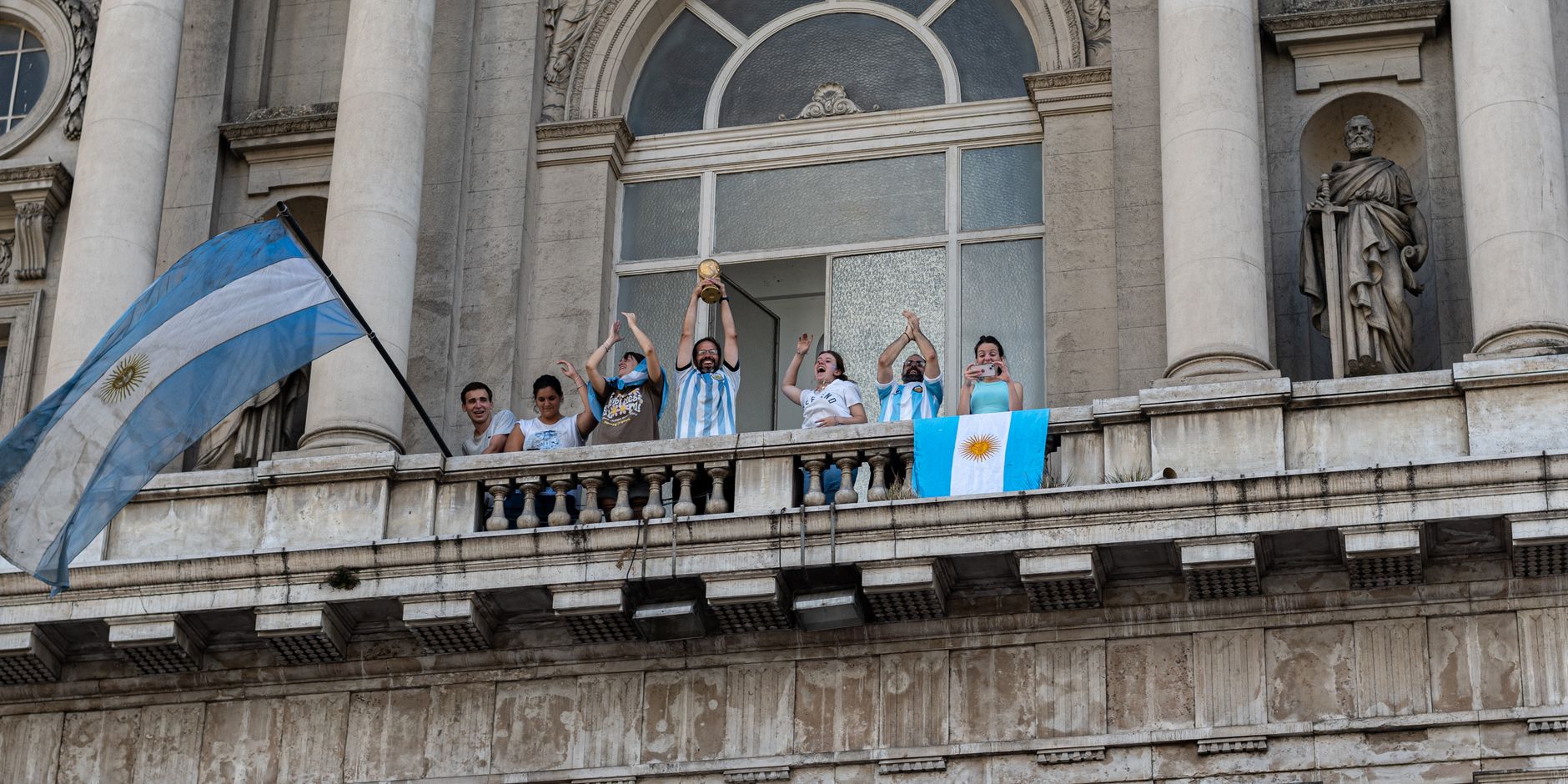
Photo by Fabrizio Velez on Pexels
What about fans without match tickets?
Fans without match tickets can still experience the 2026 World Cup through FIFA Fan Festival Kansas City, public screenings, hospitality options, local football venues, and city-wide cultural programming. The fan festival is designed to provide large-screen football, entertainment, food, and communal viewing outside the stadium.
This is where the Kansas City model may outperform the usual ticket-obsessed narrative. A stadium ticket provides access to one match, one seat, and one controlled route through the venue. A fan festival can offer several matches across the tournament, local food, music, and a more social environment, though the atmosphere will depend on the fixture and the supporters present.
Visitors should distinguish official access from informal resale. FIFA’s ticketing guidance is the safest reference for sales phases, authorised platforms, and terms. The U.S. Federal Trade Commission warns consumers to scrutinise ticket sellers, payment methods, and refund promises; an unusually cheap World Cup ticket is not a bargain until it survives verification.
A responsible wagering note is necessary here. The fan festival is entertainment, not a reason to chase losses between matches. If you follow odds, set a fixed entertainment budget, avoid borrowing, and use only licensed operators available in your jurisdiction. Football Compass can provide analysis, but no prediction removes uncertainty.
How can supporters plan a lower-stress Kansas City trip?
Supporters can reduce stress by treating Kansas City as a multi-location event: arrange accommodation, stadium transport, festival access, weather contingencies, and match viewing before arrival. Booking everything at the same time is not essential, but leaving transport and return logistics until matchday is an avoidable risk.
Consider this compact checklist:
- Carry a valid passport and confirm entry requirements for the country you are visiting.
- Check hotel cancellation rules, especially around confirmed match assignments.
- Allow for heat, storms, and sudden weather changes during June and July.
- Use official FIFA and Kansas City channels for tickets and transport.
- Keep spending limits separate for accommodation, food, tickets, and wagering.
- Download maps and reservations before travelling to the stadium.
The less obvious point is that a fan festival can become a full-day commitment. If you arrive early for a popular fixture, food and transport queues may matter more than the nominal distance between venues. Planning around dwell time, rather than kilometres, is a small operational advantage that most broad World Cup guides politely omit.
[Internal Link: Kansas City World Cup travel and accommodation planning]

Photo by Hugo Polo on Pexels
Where does the 2026 World Cup planning fail?
2026 World Cup planning fails when supporters confuse confirmed tournament facts with marketing language, treat every host city as equally accessible, or assume ticket availability will match public enthusiasm. The largest practical risks are transport bottlenecks, cross-border travel complexity, inflated accommodation costs, unofficial resale, and weak information hygiene.
The “all roads lead to the stadium” idea is especially unreliable. The 16 host cities are separated by considerable distances, and matches in Mexico, Canada, and the United States may require flights, immigration planning, or multiple hotel changes. Kansas City itself is more manageable than a multi-city itinerary, but the airport-to-stadium journey and post-match return still need deliberate planning.
Another failure concerns prediction quality. Historical reputation is not the same as current strength. Injuries, club workload, squad selection, travel, climate, rest days, and tactical matchups can alter a probability more than a famous badge does. FIFA’s World Ranking is useful context, but it is not a complete forecast and should not be presented as one.
For readers comparing betting information, insist on transparent assumptions: implied probability, bookmaker margin, sample size, and whether the analysis uses confirmed lineups. The UK Gambling Commission states that gambling should be treated as leisure rather than a way to make money; that is a rather less exciting message than most advertisements, and therefore one worth retaining.
Would you like a sharper framework for reading tournament data?
Should you try the 2026 World Cup experience today?
Yes, you should begin planning today if you intend to attend Kansas City matches or follow a multi-city 2026 World Cup itinerary, but you should not rush into unofficial tickets or speculative bets. The best early actions are monitoring FIFA announcements, comparing host-city logistics, and building a realistic budget.
A sensible preparation plan looks like this:
- Choose one primary host city and one backup destination.
- Track official ticketing windows rather than social-media resale claims.
- Reserve flexible accommodation when possible.
- Study the 48-team format and likely qualification paths.
- Follow confirmed squad news, injuries, and tactical changes.
- Set a firm entertainment and wagering limit before the tournament begins.
Football Compass is useful for the analytical layer: team tactics, player statistics, match predictions, and daily tournament coverage. It is not a substitute for official FIFA information, immigration advice, or personal financial judgement. The contrarian conclusion is simple: the most valuable 2026 World Cup advantage may not be a premium ticket. It may be knowing exactly where you need to be, how you will return, and which information deserves your confidence.
If you are ready to follow the tournament with less noise and better context, begin here.
[Internal Link: 2026 World Cup team analysis and match predictions]
Frequently Asked Questions
Q: What is the 2026 World Cup?
A: The 2026 FIFA World Cup is a 48-team men’s international football tournament hosted by Canada, Mexico, and the United States from June 11 to July 19, 2026. It will include 104 matches across 16 host cities, making it the largest World Cup by team participation and total fixtures. The opening match is scheduled for Mexico City, while the final is planned for MetLife Stadium in the New York metropolitan area.
Q: How do I attend the 2026 World Cup in Kansas City?
A: To attend a Kansas City match, use FIFA’s official ticketing channels, confirm the assigned fixture and venue, and plan transport to GEHA Field at Arrowhead Stadium. Kansas City International Airport, downtown hotels, the stadium district, and FIFA Fan Festival Kansas City may involve separate connections. Avoid unofficial sellers that demand irreversible payment or promise tickets without verifiable FIFA documentation.
Q: What is the difference between a Kansas City match and FIFA Fan Festival Kansas City?
A: A Kansas City match takes place inside GEHA Field at Arrowhead Stadium, while FIFA Fan Festival Kansas City is a public football and entertainment event outside the stadium experience. A match ticket is required for stadium entry, but fan-festival access may follow separate public-entry rules and capacity controls. The festival can be a practical alternative for supporters who cannot obtain a match ticket.
Q: Is the 2026 World Cup worth attending in Kansas City?
A: The 2026 World Cup is worth attending in Kansas City for supporters who value football, food, culture, and a concentrated host-city experience. Kansas City offers an established sporting identity, local hospitality, GEHA Field at Arrowhead Stadium, and a planned FIFA Fan Festival. It may be less suitable for travellers seeking a compact walking-only tournament layout, because airport, downtown, stadium, and regional locations are spread out.
Q: What should I do if a World Cup ticket seller seems suspicious?
A: Stop the purchase and verify the seller through FIFA’s official ticketing information before sending money. Warning signs include unusually low prices, pressure to pay immediately, cryptocurrency-only payments, no verifiable order record, and guarantees that bypass FIFA procedures. Keep screenshots, payment records, and messages, then contact your payment provider and relevant consumer-protection authority if fraud is suspected.
Q: How much should I budget for a 2026 World Cup trip?
A: A realistic budget must include accommodation, transport, food, tickets, insurance, and a contingency reserve rather than only the ticket price. Costs will vary sharply by host city, fixture popularity, booking date, and travel distance, so set separate limits for essential travel and optional entertainment. If you wager, use a fixed amount you can afford to lose and never use rent, credit, or travel funds.
Q: Can Football Compass guarantee a World Cup prediction?
A: No, Football Compass cannot guarantee a 2026 World Cup prediction because football outcomes remain uncertain even when data quality is strong. Its coverage focuses on tactics, player statistics, squad developments, and probability-based match analysis. Treat predictions as information for comparison, not certainty, and verify lineups, injuries, market prices, and local gambling rules before making any decision.